Carpentry and joinery apprentices from HTAE recently enjoyed a unique behind-the-scenes tour of Beverley Minster's historic roof space as part of their advanced apprenticeship studies.
By Katie Pugh, Hull Training and Adult Education
Leading the tour were husband-and-wife volunteer guides Sue and Graham Robson, who shared a wealth of historical knowledge and anecdotes, helping apprentices appreciate not only the craftsmanship of the Minster but also the rich heritage behind it.
The recent visit gave nine Level 3 Advanced City & Guilds Craft Site Carpentry apprentices the opportunity to explore one of East Yorkshire's most significant heritage buildings while gaining valuable insight into traditional construction methods, historic timber craftsmanship and modern conservation techniques.
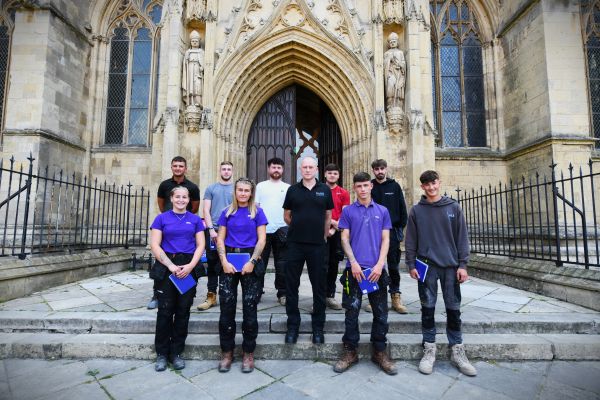 The apprentices, who work for a range of local employers including -
- Hobson & Porter
- KWL
- JCS
- Intertech
were accompanied by Specialist Joinery Trainer Tim Gosling as part of an enhanced programme of heritage learning. Tim has expanded the heritage element of the curriculum in recognition of the growing skills shortage across the conservation and heritage construction sector. The Beverley Minster visit will contribute towards an additional heritage qualification that apprentices are completing alongside their apprenticeship.
 During the tour, apprentices learned about the fascinating history of Beverley Minster and its construction, which took place over several centuries. Guides explained how the building evolved through the Early English, Decorated and Perpendicular Gothic periods, with progress interrupted by the Black Death before work eventually resumed.
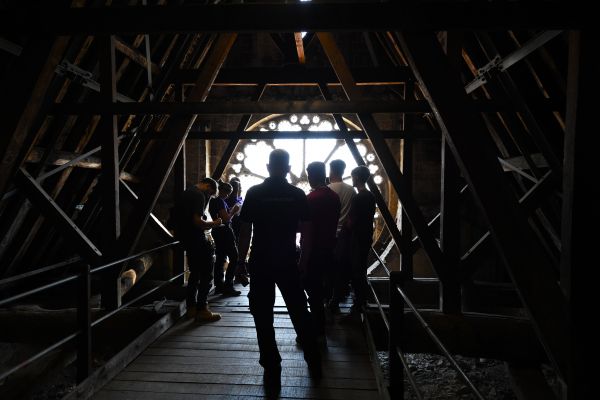
Climbing 137 steps into the roof space, the group examined centuries-old oak roof structures and explored how traditional carpentry methods have helped the building withstand the test of time. They were able to compare historic techniques with more modern intervention methods used to reinforce and preserve sections of the roof structure, highlighting the ongoing challenge of balancing conservation with structural integrity.
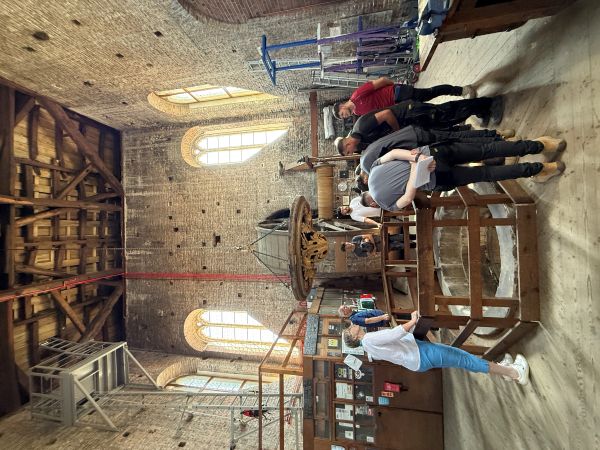
The apprentices also gained first-hand experience of heritage features rarely seen by the public, including hand-hewn timbers, historic roof trusses, medieval construction details and the Minster's remarkable treadwheel, dating back to 1724, which was once used to transport materials and equipment throughout the building. A particular point of interest was learning about the traditional process of hewing and riving, where timber is split and shaped by hand rather than sawn. Apprentices discovered how this method, commonly used before mechanised sawmills became widespread, produced exceptionally strong structural timbers and can still be identified within sections of the Minster's roof.
The tour also provided valuable insight into dendrochronology, the scientific method of dating timber through tree-ring analysis. Apprentices learned how this technique has been used within Beverley Minster, with the oldest piece of timber identified on the site dating back to approximately AD 967, providing a remarkable connection to the earliest history of the Minster.
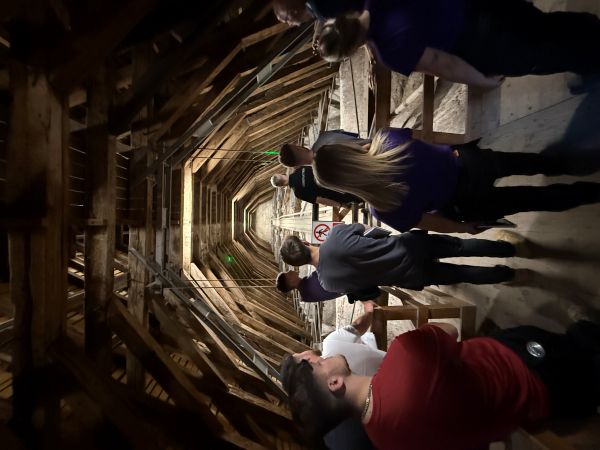
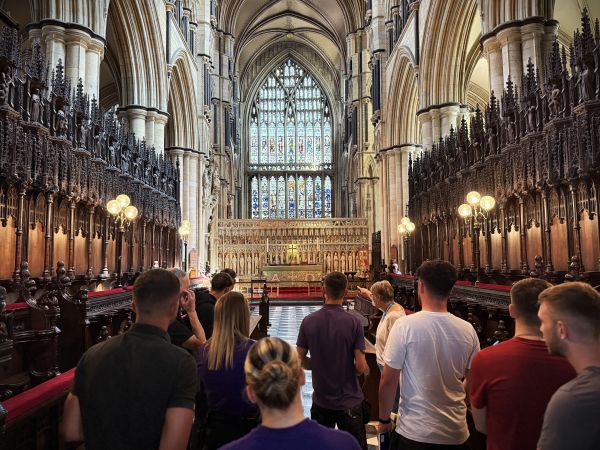
The group in the nave, exploring the historic roof structure and learning about traditional carpentry techniques that have stood the test of time. Picture - Katie Pugh, HTAE
As they explored the roof space, the group discovered evidence of the people who have worked within the Minster over the centuries, including the oldest known name etched into the timbers, dating from 1562. Such details offered a fascinating glimpse into the lives of the craftspeople and workers who have contributed to the building's maintenance and preservation through the ages.
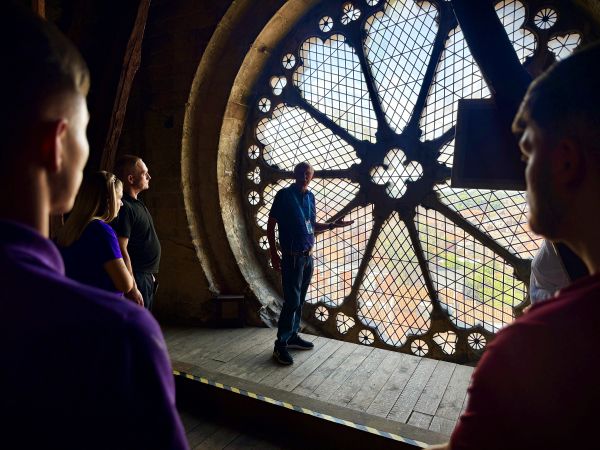
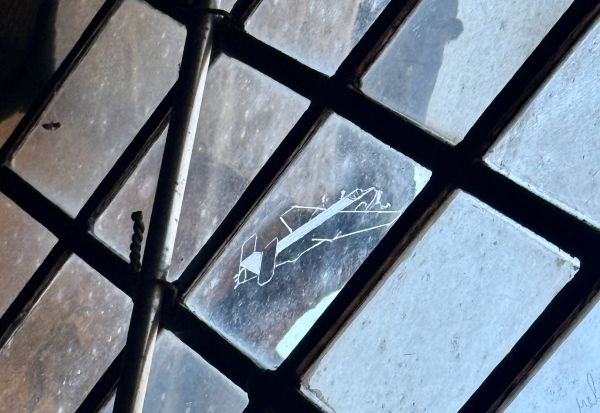
The visit also revealed examples of how history continues to be reflected within the building. Looking out from the north window, apprentices learned about the etched images of aircraft visible in the glass, commemorating planes that once flew from nearby RAF Leconfield and providing a unique reminder of the area's more recent history. Discussions throughout the tour covered the challenges of maintaining historic buildings, as well as the health and safety measures required when working in complex roof environments. Apprentices were able to see how conservation specialists balance preserving traditional craftsmanship with meeting modern safety standards.
One of the highlights of the visit was the opportunity to explore the nave roof structure, where around 90 per cent of the original oak framework remains intact. The group also learned about rare historical joinery details, including a notched lap joint dating from the early 14th century, a construction method so unusual today that surviving examples are considered highly significant within the study of historic carpentry.
The apprentices also learned about notable figures connected to the Minster, including renowned carpenter William Thornton, who carried out repairs and constructed scaffolding at the site, leaving a lasting legacy within one of Yorkshire's most important historic buildings.
Tim Gosling, Specialist Joinery Trainer at Hull Training and Adult Education, said -
"Heritage buildings provide a unique opportunity for apprentices to see traditional carpentry and joinery techniques in their original form. Visits such as this help bring classroom learning to life and give apprentices a much broader understanding of the skills required within the construction industry.
"The heritage sector is currently experiencing significant skills shortages, so it is important that we provide opportunities for apprentices to develop specialist knowledge alongside their core trade qualifications. These additional experiences and qualifications help give our learners a competitive edge and a greater appreciation of our industry's rich history."
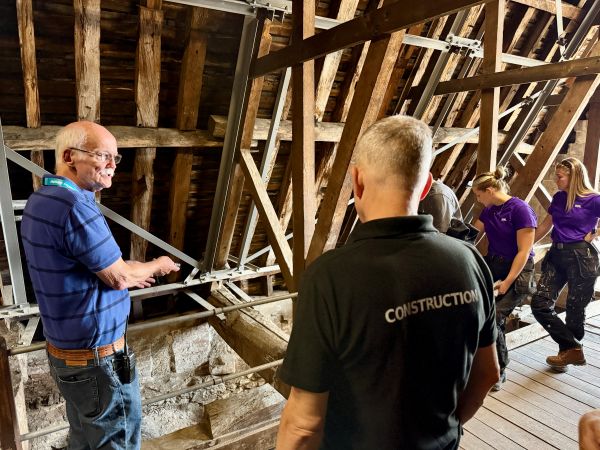
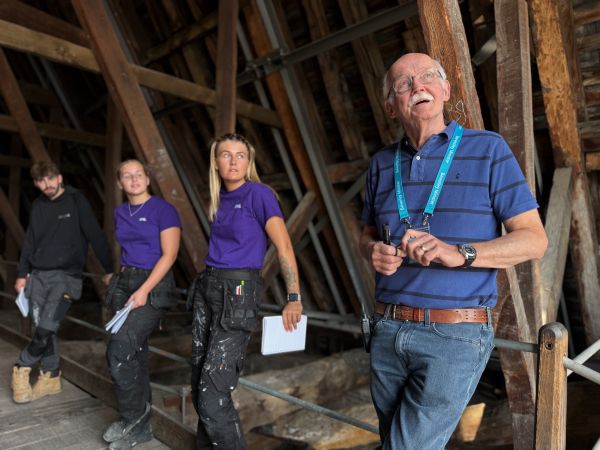
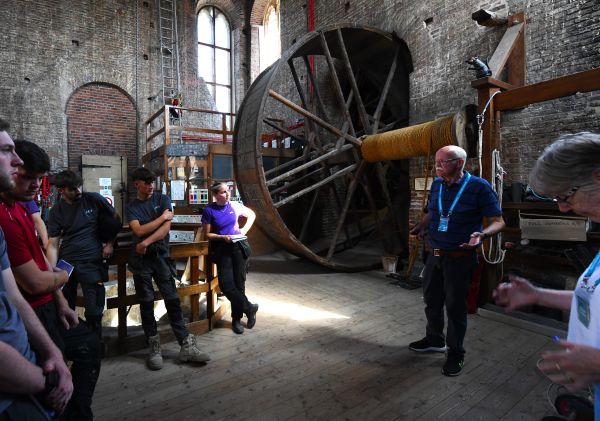
The group pictured next to the medieval treadwheel crane in the central tower, discovering how workers once used the giant wheel to lift materials into the Minster's roof space centuries ago. Picture - Katie Pugh, HTAE
The heritage qualification forms part of a wider programme of enrichment opportunities available to apprentices. Alongside their trade studies, learners can also gain qualifications in areas including first aid, fire safety in buildings and refurbishment work, helping to enhance their employability and workplace readiness.
The introduction of these additional learning opportunities reflects Hull Training and Adult Education's commitment to preparing apprentices for the evolving needs of the construction industry while broadening their understanding of specialist sectors and wider industry practices.
By combining practical skills training with real-world heritage experiences, Hull Training and Adult Education is helping to prepare the next generation of skilled craftspeople to meet the needs of both modern construction and the conservation of Britain's historic buildings. Hull Training and Adult Education would like to extend it’s sincere thanks to Sue and Graham Robson for generously sharing their time and expertise with the apprentices. More information about Beverley Minster's tours can be found here.